How to protect your home from wildfires in Garden Grove dry season
Protect your Garden Grove home from wildfire with defensible space, brush clearance, and ember-resistant upgrades. SafeCrest shares local dry-season steps.
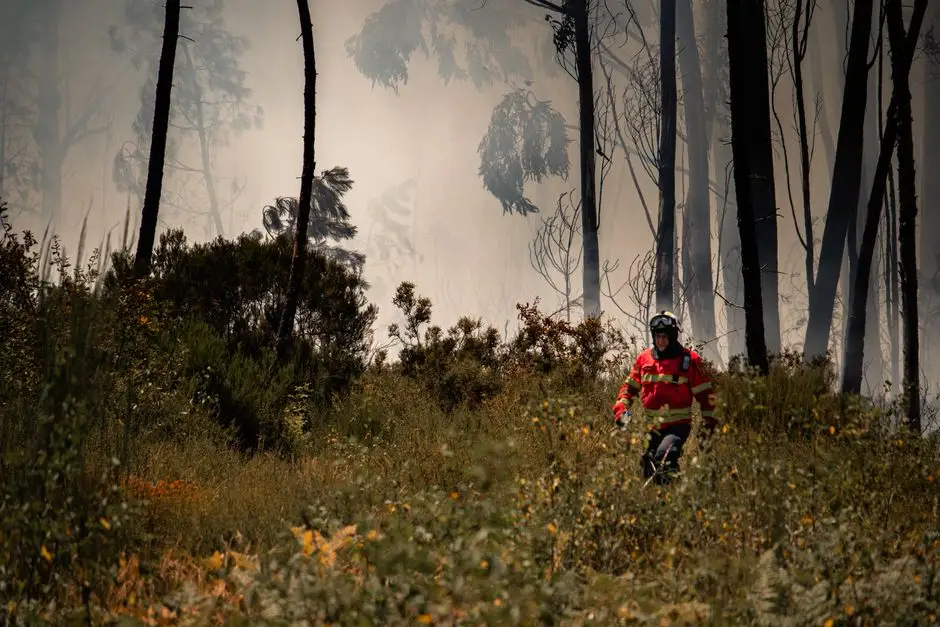
You protect your home from wildfires in Garden Grove dry season by creating a 100-foot defensible space, clearing brush before June, and upgrading to ember-resistant vents and roofing. Those three steps stop most ember-driven ignitions before they reach your walls.
Garden Grove sits in a coastal-influenced basin, but the Santa Ana winds that arrive each fall turn dry brush and palm fronds into fast-moving fuel. This guide covers the specific clearance rules, material upgrades, and evacuation prep that work for our city's older tract homes and tight lot lines.
Why Garden Grove Homes Face Wildfire Risk in Dry Season
Garden Grove's dry season runs from May through October, with peak danger in September and October when humidity drops below 15% and Santa Ana winds push 30-50 mph gusts through Orange County. The city averages less than 1 inch of rain in July and August combined, which leaves ornamental grasses, eucalyptus, and palm skirts bone-dry.
Most Garden Grove neighborhoods were built between 1950 and 1975, before modern fire codes. Those homes have vented attics, wood shake or composite roofs, and single-pane windows - all vulnerable to ember intrusion. A single ember can slip through a 1/8-inch gap and ignite attic insulation 20 minutes after the fire front has passed.
We see this pattern repeatedly across Fire Damage Restoration in Downtown Garden Grove, where mature trees overhang roofs and narrow side yards limit access for fire crews. The risk isn't the wall of flame you see on the news. It's the ember wash that lands in gutters and vents.
What Is Defensible Space and Why Does It Matter in Garden Grove?
Defensible space is the buffer you create between your home and the grass, trees, shrubs, or any wildland area that surrounds it. In Garden Grove, that buffer matters because embers can travel a quarter-mile ahead of a fire front and ignite landscaping that touches your structure.
Cal Fire and local fire authorities recommend three zones:
- Zone 0 (0-5 feet): Non-combustible. Remove wood mulch, replace with gravel or pavers, and keep this area free of anything that can catch a spark.
- Zone 1 (5-30 feet): Lean, clean, and green. Trim trees to 10 feet from the roof, remove dead branches, and space shrubs at least 10 feet apart.
- Zone 2 (30-100 feet): Reduced fuel. Mow grass to 4 inches, remove fallen leaves, and create horizontal spacing between trees and shrubs.
For homeowners across Fire Damage Restoration in West Garden Grove, the challenge is lot size. Many parcels are 6,000-7,000 square feet, so full 100-foot clearance isn't possible. In those cases, focus on Zone 0 and Zone 1 - the first 30 feet do the most work.
Brush Clearance Rules for Wildfire Prevention in Garden Grove
Garden Grove doesn't sit in a state responsibility area, so Cal Fire's 100-foot clearance mandate doesn't automatically apply. But the Garden Grove Fire Department enforces local weed abatement and brush clearance ordinances that require you to clear dry vegetation on your property by June 1 each year.
Here's what that looks like in practice:
- Mow all dry grass and weeds to 4 inches or less before the first heat wave.
- Remove dead palm fronds - they ignite like paper and drop embers onto your roof.
- Clear leaves and debris from gutters, roof valleys, and under decks.
- Trim tree branches that hang within 10 feet of your chimney or roof.
- Keep firewood stacks at least 30 feet from the house, or store them in a metal bin.
If you're unsure whether your property meets the ordinance, call the city's code enforcement line. Fines for non-compliance start at $100 and escalate, but the real cost is the fire risk you're carrying into August.
We also recommend a professional Smoke Damage Restoration Garden Grove CA inspection if you've had a small brush fire or neighbor's fire nearby. Smoke residue can corrode metal and leave acidic deposits inside walls long before you smell it.
Ember-Resistant Home Upgrades That Work in Garden Grove
The most effective ember-resistant upgrades for Garden Grove homes are Class A roofing, 1/8-inch mesh vent screens, and tempered glass windows. These three changes alone reduce ignition risk by more than half in wind-driven ember storms.
Here's what we recommend, in order of impact:
- Roof: Replace wood shake or old composite with Class A asphalt shingles, metal, or tile. Expect $9,000-$18,000 for a typical 1,500-square-foot Garden Grove roof in 2026.
- Vents: Install 1/8-inch non-combustible mesh over all attic, soffit, and foundation vents. Cost runs $300-$800 for a full home.
- Windows: Upgrade to dual-pane tempered glass. This slows radiant heat transfer and keeps embers from cracking panes.
- Gutters: Add metal gutter guards to prevent leaf accumulation. A single dry gutter can carry fire into your fascia.
- Decks: Replace wood decking within 5 feet of the house with composite or tile, or apply a fire-retardant coating.
If a fire does reach your home, the damage often starts in the attic. We handle Attic Fire Restoration Garden Grove CA regularly in older homes where embers entered through unscreened vents and smoldered in insulation for hours.
Wildfire Evacuation Checklist for Garden Grove Residents
When an evacuation order hits, you have minutes, not hours. Keep a go-bag in your car with water, N95 masks, medications, phone chargers, and copies of insurance documents. Store the originals in a fireproof safe or a cloud folder.
Before you leave:
- Close all windows and doors to reduce ember entry.
- Turn off gas at the meter if you have time.
- Move patio furniture and propane tanks away from the house.
- Leave interior lights on so firefighters can see your home through smoke.
- Take your pets - do not leave them behind.
Know your route. Garden Grove's main evacuation corridors are Brookhurst Street, Chapman Avenue, and the 22 Freeway. If you live near Fire Damage Restoration in Garden Grove Park, plan for heavy traffic on surface streets and identify a secondary route through neighborhood roads.
After you're safe, call your insurance company and document everything with photos. Do not re-enter until officials clear the area - hot spots and structural damage can persist for days.
Common Mistakes to Avoid During Dry Season
The biggest mistake Garden Grove homeowners make is assuming wildfire risk ends at the city limit. Embers don't respect boundaries, and a fire in the Santa Ana Mountains can drop ash on your roof within an hour.
Other mistakes we see:
- Storing cardboard boxes or paint cans in the attic - these are fuel.
- Leaving dry leaves on the roof or in valleys.
- Using wood mulch within 5 feet of the foundation.
- Ignoring the underside of decks, where embers collect.
- Waiting until you smell smoke to clear brush.
One more: not documenting your home's condition before fire season. Take dated photos of each room, your roof, and your landscaping. If you ever need to file a claim, that record speeds up the process and prevents disputes.
When to Call a Professional
Call a professional when you need a defensible space assessment, ember-resistant upgrades, or post-fire cleanup that goes beyond sweeping ash. SafeCrest handles fire damage restoration in Garden Grove, including smoke remediation, soot removal, and structural repair after fire.
We also help with insurance documentation and can coordinate directly with your adjuster. If your home has already been touched by smoke or embers, don't wait - residue sets into surfaces within 72 hours and becomes harder to remove.
For properties near the Fire Damage Restoration in Brookhurst Street Corridor, we offer priority scheduling during red flag warnings because those corridors see the fastest fire spread.
Frequently Asked Questions
How do I protect my home from wildfires in Garden Grove CA?
Create 100 feet of defensible space, clear brush by June 1, and upgrade to ember-resistant vents and Class A roofing. Focus first on Zone 0 (0-5 feet) and Zone 1 (5-30 feet) around your home.
What is defensible space and why does it matter in Garden Grove?
Defensible space is the buffer between your home and surrounding vegetation. It matters because embers can travel a quarter-mile ahead of a fire and ignite landscaping that touches your structure. Even 30 feet of clearance significantly reduces risk.
When is wildfire season in Garden Grove California?
Wildfire season in Garden Grove runs May through October, with peak danger in September and October when Santa Ana winds and low humidity combine. However, red flag warnings can occur as early as April and as late as December.
Does homeowners insurance cover wildfire damage in Garden Grove?
Yes, most standard homeowners policies cover wildfire damage, including smoke and ash. Coverage typically includes dwelling, personal property, and additional living expenses. Review your policy annually and document your home's condition before fire season.
How much does brush clearance cost in Garden Grove?
Professional brush clearance for a typical 6,000-square-foot lot runs $400-$900 in 2026, depending on vegetation density and access. DIY clearance is possible but requires proper disposal and can take a full weekend.
Get Help with Fire Damage Restoration in Garden Grove
If your home has been damaged by fire, smoke, or embers, SafeCrest is ready to help. We handle everything from emergency board-up to full structural repair and odor removal.
Call us at (714) 226-9331 for a fast assessment and a clear plan to get your home back to normal.